You're scrolling through your Instagram followers and suddenly wonder: how many of these people actually follow me back? It's frustrating not knowing who's just taking up space on your follower count without reciprocating. The good news is you don't need a third-party app to figure this out. Here's how to find instagram non-followers how to find them using Instagram's native features, plus a few manual tricks that actually work.
The Manual Scroll (Tedious But Totally Free)
Before you download anything, know this: the most reliable way to spot non-followers is still the oldest method. Open your Followers list, then open your Following list on a separate browser tab or window. Cross-reference them. Yeah, it sounds boring, and honestly, it is—but it works perfectly if you have fewer than 500 followers.
Here's a practical tip: sort your Followers by "Earliest" first. These older followers are often the ones who ghost you first. They followed years ago when you had different content, and they've since moved on. Starting there helps you catch the biggest offenders without scrolling forever.
The real limit? Once you hit 1,000+ followers, your eyes will start bleeding. Manual comparison becomes a pain in the neck.
How to Find Instagram Non-Followers Using the Follow/Following Trick
Instagram doesn't give you a native "non-followers" report, but you can hack their interface to find one yourself. The method is simple: visit your Following list and scan through it, then mentally check it against your Followers list. Or pull up both on separate devices and compare side-by-side.
Here's why this works: people unfollow for specific reasons. They might have unfollowed your account months ago without you noticing. Accounts you followed back in college, random people who wanted a follow-for-follow exchange, or old acquaintances—they're all lurking in your Following list while being absent from your Followers list.
Some accounts hide their follower counts entirely, which blocks this whole method. If an account shows "Followers Hidden," you literally cannot see if they follow you back using the native approach. Private accounts are especially common for this.
The psychology is interesting: most unfollowers aren't trying to hurt your feelings. They're just curating their own feeds. You probably did the same thing at some point—unfollowed someone without thinking twice.
The Screenshots-and-Compare Approach (Takes 10 Minutes, Zero Regrets)
Want a permanent record? Screenshot your Followers list, then screenshot your Following list. Do this on the same day so the numbers align. Then pull both screenshots up side-by-side and go through them methodically. Yes, it takes time, but you'll catch everyone.
Many people do this weekly or monthly to catch recent unfollows. The advantage here is you have proof if someone denies unfollowing you (not that this matters, but some people care). Some users even print their lists and use a highlighter—old school, but it works.
The downside is that this method works best if you're disciplined about repeating it. Do it once and forget, and you'll have no idea who unfollowed you last month.
Why Instagram Doesn't Make This Obvious (And What That Means)
Instagram intentionally hides unfollowing data from you. They don't want public drama. No notification pops up when someone unfollows you. No "X unfollowed you" message. Nothing. This is 100% by design.
The friction you feel trying to find non-followers? That's intentional UX. Instagram wants followers to unfollow quietly, without confrontation. So they buried the feature. That's also why no built-in native tool exists—and probably why it never will.
This design choice actually makes manual methods more reliable than you'd think. You're not fighting against Instagram's algorithms or notification delays. You're just looking at real data, right there in your lists.
What to Actually Do Once You Spot Non-Followers
Once you've identified who isn't following you back, you have choices. Unfollow them. Mute them so you don't see their posts. Leave it alone. There's no right answer—it's entirely personal preference.
Account hygiene is healthy. People do this constantly. Think of it as a spring clean for your feed rather than some dramatic statement. Most people never notice if you unfollow them back.

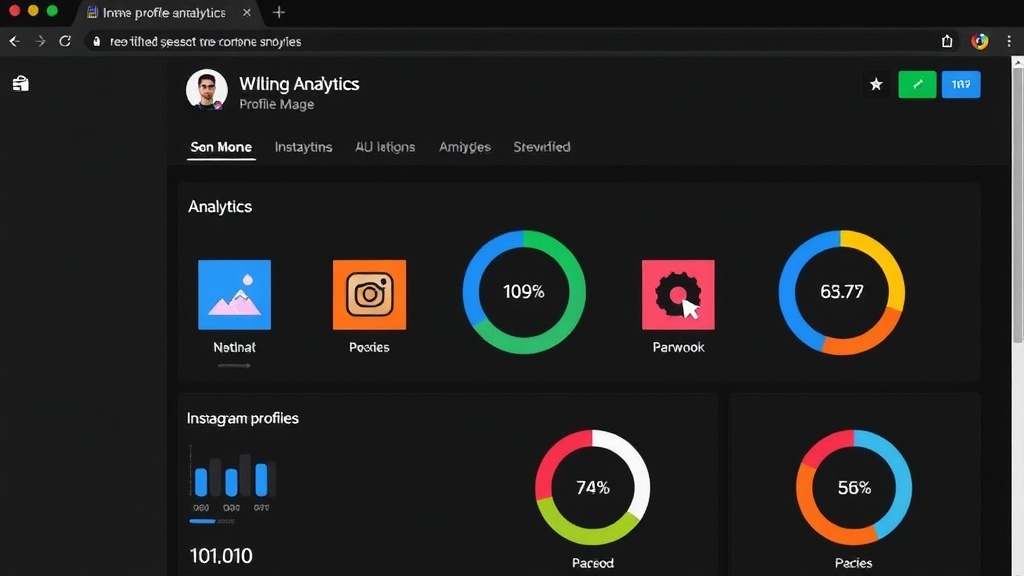
Instagram Unfollow AI
If manually comparing lists sounds painfully slow, this free Chrome extension identifies non-followers instantly and removes them with one click—no complex setup required.
Try It Free →Frequently Asked Questions
Can I see who unfollowed me on Instagram without an app?
Yes. Use Instagram's native Followers and Following lists to compare them manually. You won't get a notification, but you can visually cross-reference the two lists. This works best for smaller accounts under 1,000 followers.
Does Instagram notify someone if I unfollow them back?
No. Instagram doesn't send notifications when you unfollow someone. The person won't know unless they manually check your follow status themselves.
How often should I check for Instagram non-followers?
As often as you want. If you're managing a professional account, weekly checks make sense. For personal accounts, monthly or quarterly is fine. There's no rule—it depends on how much you care about keeping your followers list clean.
Is there a difference between someone who unfollowed me versus someone who never followed me?
Not in terms of what you'll see. Both show up as accounts you follow that don't follow you back. You'd need a tracking tool or your own records to know which one unfollowed recently versus never followed in the first place.
Conclusion
The native methods work. They're free, they're reliable, and they don't require you to hand over access to your account. Spend 15 minutes this week pulling up your Followers and Following lists, then decide what to do with the non-followers you find. Account curation is normal, healthy, and something everyone does. Start the audit today and see how many people you've been following one-sidedly—you might be surprised.