You've got 2,000 followers, but only 40 of them ever like your posts. Your follow-back ratio is a mess. You're tired of scrolling through dead accounts and bot profiles that somehow made it into your list. So naturally, you've wondered: is an instagram unfollow tool worth the risk? The honest answer isn't as simple as the tool marketers want you to think.
What an Instagram Unfollow Tool Actually Does
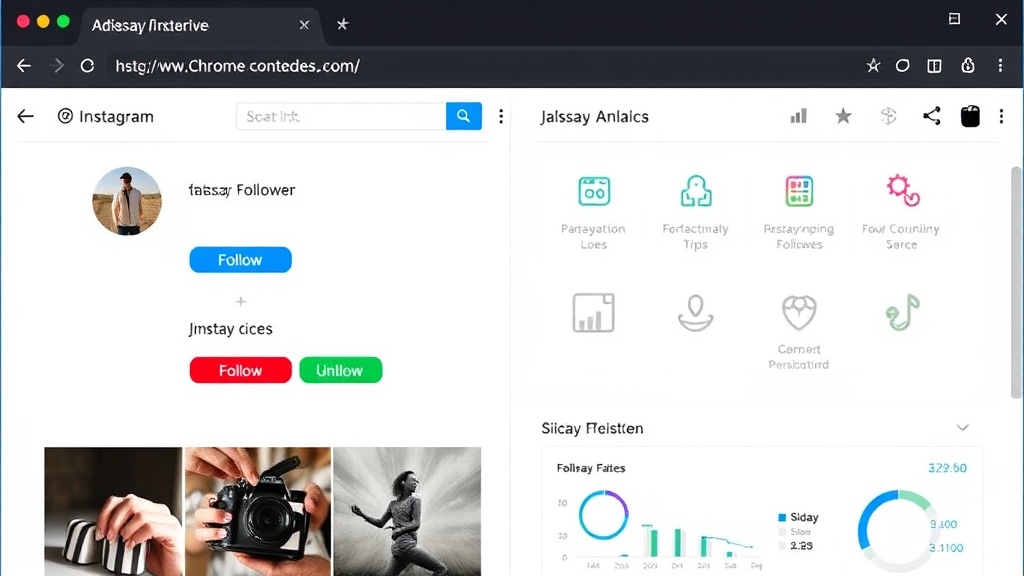
These tools automate the process of unfollowing accounts on a large scale. Instead of clicking unfollow one by one (which would take forever), they scan your following list, filter by criteria like engagement metrics or whether someone follows you back, and then unfollow accounts in batches.
The core features vary. Some tools identify non-followers—people who don't follow you back even though you follow them. Others let you set engagement thresholds and unfollow anyone who hasn't liked or commented on your posts in X days. A few offer automatic unfollowing based on rules you create, so the tool runs in the background without constant input.
But let's be clear: they're not magic. An unfollow tool won't make your content better, attract real followers, or fix engagement problems on its own. It's basically a time-saver for a tedious manual task.
Why People Actually Use an Instagram Unfollow Tool
Real benefits that matter
Time is the biggest one. Manually unfollowing 500 accounts takes hours. A tool does it in minutes. For people managing multiple accounts or those who've been hit hard by follow-for-follow botting, that time saving is genuinely valuable.
The second benefit is account hygiene. A smaller, more engaged following list actually looks better to potential followers than a bloated list of dead accounts. Instagram's algorithm doesn't care about your follower count, but real people scrolling your profile do. If someone visits your page and sees you follow 5,000 accounts but only get 20 likes per post, they're less likely to stick around.
The engagement myth nobody talks about
Here's the trap: people assume unfollowing accounts will magically boost their engagement rate. The math seems to make sense—fewer followers means the same number of likes divided by a smaller number, so your engagement percentage goes up. And technically that's true.
But Instagram doesn't reward you for having a higher engagement percentage in your bio. The algorithm cares about absolute engagement—raw likes, comments, shares, saves. Unfollowing accounts you follow doesn't change how people interact with your content. If your posts aren't compelling, cutting followers won't fix that. In fact, you might lose some actual engagement from people who do engage, just because you're being overly aggressive with the unfollow button.
The real value is cleaning up the mess from past follow-for-follow tactics or old marketing experiments that didn't work. If that describes your account, an unfollow tool is genuinely useful. If your account is already clean and you just want better engagement, you need better content, not better follower math.
The Annoying Catch Nobody Mentions: Safety & Account Risk
Instagram's terms of service explicitly forbid third-party automation tools. When you use an unfollow extension, you're granting it access to your Instagram account and letting it perform actions automatically—both things Instagram actively fights against.
The risk is real. Instagram regularly suspends accounts that use mass automation tools. Sometimes it's temporary (24–48 hour action blocks). Sometimes it's permanent. The company doesn't publish exact numbers, but users report account suspensions ranging from brief to catastrophic depending on the tool, how aggressively it's used, and how Instagram's detection systems are working that month.
There's also the shadow ban risk—a situation where your posts stop showing up in hashtags and the Explore page even though your account isn't officially suspended. Instagram rarely acknowledges shadow bans exist, but users consistently report them after using automation tools. It's hard to prove causation, but the pattern is there.
And then there's the data privacy angle. You're giving a third-party extension your Instagram login credentials (or at least API access). That's a massive security vulnerability. Even if the tool is legitimate, you're trusting a small company to store your credentials safely. One data breach and your account could be compromised. Most reputable tools now use OAuth-style access instead of storing your password, but not all of them. Always check.
Instagram has been very public about blocking these tools. They send cease-and-desist letters to extension developers, update their API restrictions regularly, and employ detection algorithms specifically hunting for automated behavior patterns. Using an unfollow tool isn't safe in the way, say, using Grammarly is safe. You're actively breaking Instagram's rules.
Manual Unfollowing vs. Using a Tool: Which Is Actually Worth It
Manual unfollowing is slow. Incredibly slow. If you follow 1,000 accounts and want to clean that down to 500, you're looking at 30–60 minutes of clicking, scrolling, and confirming. For most people, that's unbearable, especially if they need to repeat it monthly.
But it's completely safe. You're not violating any terms of service. Instagram won't flag your account. You have full control over who you unfollow, so you can avoid accidentally cutting people you actually want to follow. And there's no data security risk because you're not granting anything to third-party apps.
A tool flips that equation. It's fast—minutes instead of hours. But it's risky. You're betting your account on Instagram not detecting the automation. And you're betting the tool developer isn't storing your data recklessly.
Neither approach actually grows your followers. Both are purely cleanup work. The question is whether the time savings justify the account suspension risk. For most people, honestly, it doesn't. If you've got an hour free, unfollowing manually is the safer move. If you're managing five accounts and unfollowing is consuming your entire week, then the risk calculation shifts.
Before using any tool, Instagram offers native features most people forget about: Muting lets you stop seeing posts from an account without unfollowing. Close Friends lists let you segment your following into groups you care about. These cost zero time and carry zero risk.
Should You Actually Use One? The Real Answer
An instagram unfollow tool worth trying only if two things are true: you genuinely don't have time for manual unfollowing, and you're willing to accept the account suspension risk as a trade-off.
Most people are better off sticking with manual cleanup or skipping it entirely. The honest truth is that having 2,000 followers with a 2% engagement rate looks worse than 800 followers with a 5% engagement rate, but neither number is going to make or break your account. What actually moves the needle is consistent, quality content.
If you do decide to use a tool, research it heavily. Check recent reviews and user reports for suspension incidents. Choose one that uses OAuth instead of storing your password. Start with a small batch unfollow (50–100 accounts) to test whether Instagram detects the activity. And don't run the tool 24/7—space out unfollows over several days to look more natural.

Instagram Unfollow AI
Clean up non-mutual followers in seconds instead of hours, with built-in spam prevention designed to avoid detection—so you get the speed of automation without the reckless risk.
Try It Free →Frequently Asked Questions
Will using an Instagram unfollow tool get my account banned?
It can. Instagram actively detects and blocks third-party automation. Most suspensions are temporary (24–48 hours), but permanent bans happen too. The risk depends on the specific tool, how aggressively you use it, and Instagram's detection accuracy at that moment. No tool is 100% safe.
Can I actually improve my engagement ratio by using an unfollow tool?
Technically yes—unfollowing people gives you a lower follower count, which inflates your engagement percentage. But that's a math trick, not real improvement. Instagram's algorithm doesn't reward you for a higher percentage. Your actual engagement (raw likes and comments) stays the same or goes down. Better content is what actually moves engagement metrics.
What's the safest way to clean up Instagram followers without a tool?
Manual unfollowing through Instagram's app or web interface. It's slow, but you have full control and zero account risk. You can also use Instagram's native mute and Close Friends features to reduce what you see without unfollowing. These cost no time and violate no rules.
Do Instagram unfollow tools actually work, or is it all marketing hype?
They work—they do unfollow accounts. The question is whether they keep working without getting your account flagged. Most tools work fine for a while, then Instagram updates their detection and the tool becomes riskier. No tool maintains perfect effectiveness long-term because Instagram is constantly evolving its anti-automation defenses.
Conclusion
An instagram unfollow tool saves significant time but carries real account risk. Neither unfollowing tools nor manual cleanup will improve your engagement unless the problem is genuinely dead accounts diluting your metrics.
The practical path forward: try manual unfollowing for one week. Spend 15–20 minutes cleaning up obviously inactive accounts. If you find yourself doing this constantly and hating it, then revisit whether a tool is worth the risk for your specific situation. But if you've been wondering whether you should start, hold off. Focus on content first. Then decide.