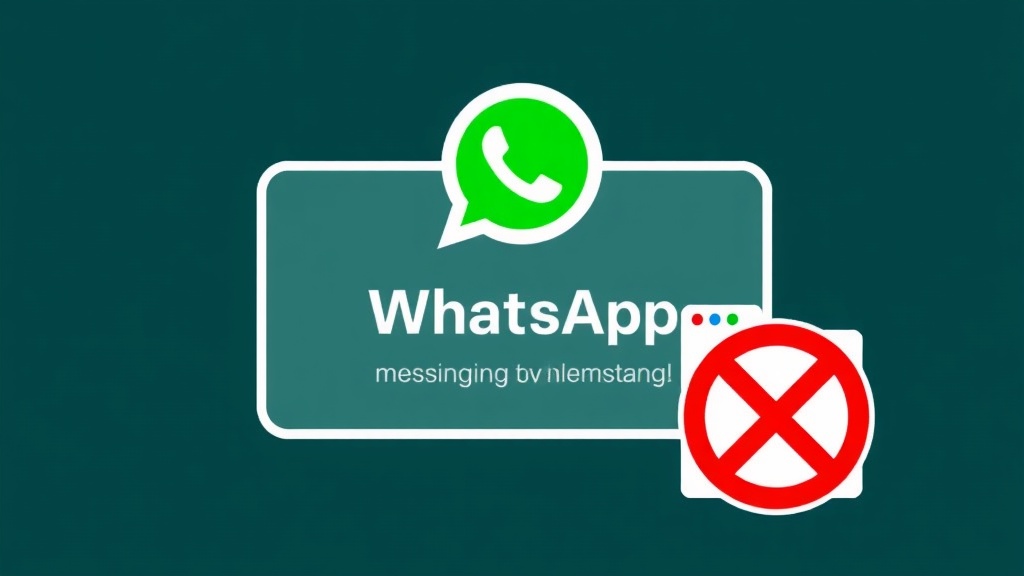
Your WhatsApp account just got suspended mid-campaign. No warning. No appeal window. Just a message saying you've been restricted for 24 hours—or permanently. If you run any kind of bulk messaging operation, this nightmare is getting more real in 2025. WhatsApp's enforcement has intensified significantly, and the line between legitimate business communication and account-killing violations has become thinner and harder to see. This guide shows you exactly what triggers a ban and how to whatsapp bulk messaging ban avoid it.
Why WhatsApp Cracks Down on Bulk Messaging (And It's Not What You Think)
Here's what most people get wrong: WhatsApp isn't banning bulk messaging because they want you to pay for premium access or because they're protecting their ad model. They're banning it because spam destroys the platform experience. One person sending unsolicited messages to 5,000 strangers ruins the app for actual users. That's the core issue.
WhatsApp distinguishes between three things: personal accounts sending messages (fine in moderation), business accounts using the official Business API (the approved path), and anyone else trying to automate or bulk-send through a regular account (the ban zone). The Business API exists specifically so companies can send messages at scale without breaking the platform.
But here's the key detail that catches people off guard: WhatsApp flags behavior, not just volume. You can send thousands of messages per day through the proper API and never get touched. You can send 50 messages through an unapproved tool and wake up to a permanent restriction. The distinction matters because it's not about how many you send—it's about whether you're doing it transparently and with user consent.
The Mistakes That Get You Blocked—Real Examples From 2025
Sending to cold lists without consent
This is the number-one ban trigger in 2025. You buy a list of phone numbers, or scrape contacts from somewhere, and send a blast of marketing messages. Even if your message is valuable, you've just violated the core rule: WhatsApp requires prior explicit consent before you send anything to someone. That means they opted in—not that they didn't opt out, but that they actively agreed.
WhatsApp tracks this through flagging patterns. If 50 people report your message as spam within 30 minutes, the system flags you. If your message-to-block ratio (how many people block you per 100 messages sent) spikes above normal, you're marked. The enforcement is automated and fast.
Using automation tools that mimic human behavior
Some third-party tools claim they'll send messages slowly enough to "look human" and avoid detection. This is the argument that gets people banned fastest. WhatsApp's detection isn't fooled by delays. They detect you by tracking whether you're using the official Business API credentials or trying to manipulate the regular app.
Sending 500 messages in 10 minutes, even with 5-second gaps between each one, is a red flag. Sending 80 messages per second through the approved API is completely safe. The method matters more than the pace.
And honestly, there's a third mistake that's less obvious: not having documentation. If WhatsApp's trust and safety team reviews your account, they want to see evidence of consent. That means records of opt-ins, a working unsubscribe process, and clear terms about why people are receiving messages. If you can't produce those, suspension is almost guaranteed.
How to Avoid a WhatsApp Bulk Messaging Ban in 2025
Use the official WhatsApp Business API
This isn't optional if you're doing bulk messaging. The Business API is the only approved method for sending messages at scale. Here's why it matters: the API routes your messages through WhatsApp's official infrastructure, meaning your sending patterns are transparent and compliant by design.
Getting set up takes time. You'll need to create a Meta Business Account, apply for API access, and wait for approval—which can take anywhere from a few days to several weeks depending on your region and use case. In 2025, WhatsApp is being slower with approvals for industries they're cautious about (lending, crypto, pharma). If you're in a standard sector like e-commerce or customer support, approval is usually faster.
Build and maintain clean contact lists
Every contact on your list needs to have opted in explicitly. That means a checkbox during signup, a confirmation email, or an active request from the person. Not "I found their number somewhere" or "They didn't say no." Actively consented.
And then you maintain that list actively. People change their minds. They unsubscribe. When someone opts out, you remove them immediately—not at the end of the week, not after they've blocked you twice. Immediate removal is non-negotiable.
Beyond that, use message templates. WhatsApp requires you to define what you're sending before you scale. Templates aren't bureaucratic red tape—they're WhatsApp's way of preventing spam before it happens. You can customize them per recipient (with dynamic fields like first name), but the structure has to be pre-approved.
And here's something that sounds basic but people skip: monitor your sending reputation. WhatsApp tracks your blocked rate, reported-as-spam rate, and unsubscribe velocity. If any of these metrics spike, you get a soft warning (message delivery slowdowns). If you ignore it and keep going, the account gets restricted.
- Register for the WhatsApp Business API through Meta's official dashboard—don't use third-party resellers.
- Complete identity verification and business account setup; this step is mandatory and can take 2-4 weeks.
- Create and get approval for all message templates you plan to use; WhatsApp reviews these for compliance.
- Build your contact list with explicit opt-in documentation; save these records for at least 12 months.
- Set realistic rate limits in your sending tool (no more than 80 messages per second maximum).
- Implement one-click unsubscribe for every message; WhatsApp checks for this and flags accounts that don't have it.
- Monitor your account daily for warnings; if delivery slows or you get an alert, investigate immediately instead of sending harder.
- Audit your list monthly; remove inactive numbers, dead contacts, and people who haven't engaged in 90 days.
The Annoying Catch Nobody Mentions
Here's the frustrating part: even if you do everything right, WhatsApp's approval process is unpredictable. Some Business API applications get approved in three days. Others wait six weeks and never get a response. WhatsApp doesn't publicly explain the delays, and customer support can't always help.
Regional enforcement varies too. If you're sending messages in Europe, GDPR rules make WhatsApp stricter about consent documentation. In Southeast Asia or South America, the rules are looser but enforcement is still strict about spam patterns. And in 2025, WhatsApp has been rolling out new anti-fraud detection in India specifically, which means senders there face extra scrutiny.
The real catch is that compliance doesn't guarantee safety from account issues. You can follow every rule and still get a temporary restriction if your sending pattern looks unusual (like sending way more messages than normal in a single day). It's not a permanent ban, but it's an annoying delay.
Your Safe Messaging Checklist for 2025
-
1
API Status Verified
Confirm your Business API account is active and your credentials are current. Check your Meta Business Dashboard at least weekly for alerts or warnings.
-
2
Consent Records Documented
Maintain a log of how each contact opted in (signup form, phone call, email confirmation, etc.) and when. Store these records for 12+ months.
-
3
Message Templates Approved
All templates you use must be WhatsApp-approved. Don't improvise. Check your template status regularly; old templates sometimes need re-approval.
-
4
Rate Limits Configured
Set your sending tool to max 60-80 messages per second. Never exceed this, even if you think you can handle a burst.
-
5
Opt-Out Process Working
Every message must include an easy way to unsubscribe. Test the unsubscribe link yourself. Remove opt-outs within 24 hours maximum.
-
6
Account Security Tight
Use a strong password on your Meta Business Account. Enable two-factor authentication. Never share API credentials.
-
7
Sending Metrics Monitored
Check your block rate, spam report rate, and unsubscribe velocity weekly. If any spike above 2-3%, investigate before next send.
⚡ Pro Tips
- Start small with a test segment of 100-500 contacts before full sends; this helps you catch delivery issues early.
- Space out sends across different times of day; sending all 10,000 messages in one hour looks suspicious even if you're technically compliant.
- Track everything: send date, recipient count, bounce rate, block rate. WhatsApp's audit trails help, but your own records are your defense.
- If you get any warning or slowdown, pause sending for 48 hours. This resets your reputation metric.

WASendly WhatsApp Bulk Message Sender
If setting up the WhatsApp Business API feels overwhelming, WASendly handles bulk sending through verified channels with built-in rate limiting and local data processing—so you stay compliant without the approval delays.
Try It Free →Frequently Asked Questions
Can I use WhatsApp bulk messaging on a personal account?
Technically yes, but WhatsApp actively discourages it and will ban you fast if they detect patterns. Personal accounts are meant for one-to-one chat, not broadcast messaging. The moment you start sending the same message to dozens of people, you're in the danger zone. If you need bulk messaging capability, the Business API is the only defensible path.
How many messages can I safely send per day without risking a ban?
There's no magic number. Through the official Business API, you can safely send thousands per day if your contacts have consented and your content isn't spam. The real limits are your rate (80 messages per second max) and your sending pattern (don't dump all messages in one hour). Through unofficial methods or personal accounts, even 100 messages in a day can get you flagged. The safest approach: use the API and monitor your metrics weekly.
What happens if WhatsApp flags my account for suspicious bulk activity?
First, you'll see message delivery slowdowns—your messages still go out, but more slowly. If you continue the suspicious activity, you get a 24-hour or 72-hour temporary restriction (you can't send or receive messages). If the behavior persists after warnings, the account gets permanently banned. Once banned, recovery is extremely difficult. WhatsApp rarely reverses permanent bans, even for legitimate businesses.
Do I need explicit written consent before sending bulk WhatsApp messages to contacts?
Yes. "Explicit" means they actively opted in—a checkbox on a form, a confirmation email they clicked, or a direct request. Implied consent (they didn't block you) doesn't count. Written proof is ideal because if WhatsApp asks, you need to show documentation. Keep screenshots or logs of signups. Without proof, WhatsApp assumes you're spamming.
Conclusion
WhatsApp's crackdown in 2025 isn't random or unfair—it's targeted at spam. If you have genuine business reasons to contact people and they've consented, you'll be fine. The Business API is non-negotiable for bulk use, and the rules around consent, rate limiting, and opt-outs are strict for a reason.
Start auditing your current setup today. If you're using an unapproved method, switch to the official API. If you're not documenting consent, start now. If your opt-out process doesn't exist or is hidden, fix it. These aren't optional updates—they're the difference between running a compliant messaging operation and losing your account without warning.