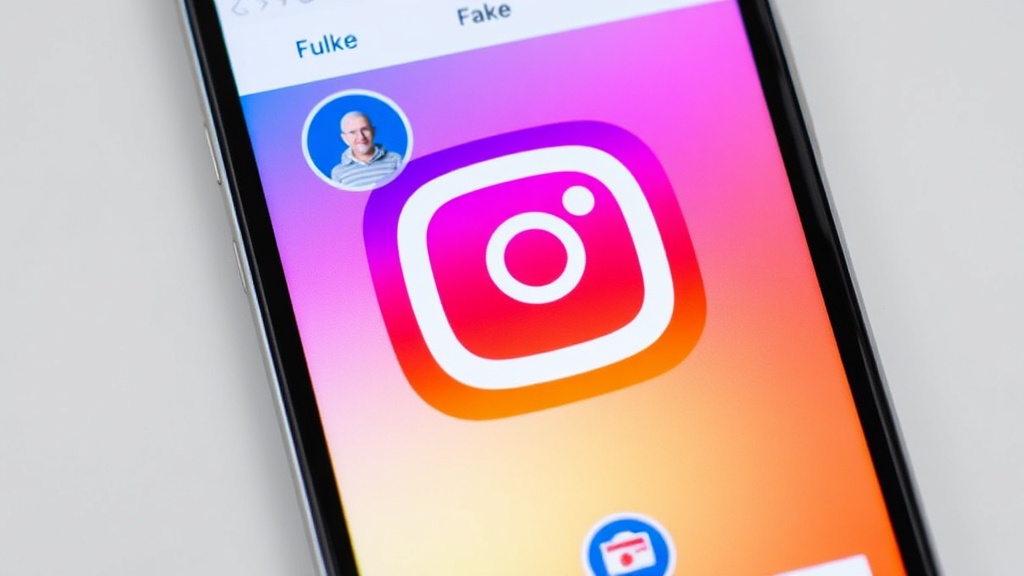
You probably don't realize how many fake accounts you're actually following. They don't interact with your posts, they don't engage with your stories, and they're silently tanking your engagement rate in ways Instagram's algorithm notices immediately. An instagram following cleaner remove fake followers before they become a bigger problem—but not all cleaners work the same way, and some can actually make things worse if you use them wrong. By the end of this guide, you'll understand exactly how to identify fake followers, use a cleaner tool safely, and boost your real engagement without triggering Instagram's spam detection.
Why Your Instagram Following Cleaner Matters More Than You Think
Here's the thing: Instagram's algorithm cares far less about your follower count than it cares about engagement rate. When you have thousands of ghost followers sitting in your audience, your real posts get divided by that larger number, which tanks your engagement percentage. Instagram weighs saves and shares much more heavily than likes now, and a post that gets 50 genuine interactions from 500 real followers looks significantly better than a post with the same 50 interactions split across 5,000 followers.
Fake accounts follow you for one reason: to boost their own follower count or to sell you something later. They're not there to watch your stories, save your Reels, or buy what you're selling. And Instagram knows this.
How fake followers kill your engagement metrics
When your follower list is padded with inactive accounts, Instagram's algorithm gets confused about your actual audience. The platform's recommendation system struggles to figure out who genuinely cares about your content, so it stops promoting your posts as aggressively. You end up in this weird middle ground: your reach drops, your save rate looks bad comparatively, and the algorithm thinks you've hit a ceiling when really you just need to clean house.
The math is brutal. If you post something that gets 100 likes but you have 10,000 followers (20% engagement), that's way more valuable to Instagram than 100 likes spread across 50,000 followers (0.2% engagement). Same number of real people engaging. Completely different signal sent to the algorithm.
The sneaky ways bots infiltrate your follows
Most people follow accounts without thinking too hard about it. You see a follow-back notification, you check their profile briefly, maybe they have a nice bio, and you follow back. But bots are smart now. They create accounts with real-looking profile photos (stolen or AI-generated), write plausible bios, and follow back aggressively so you feel obligated to return the follow.
And that's exactly the pattern a good cleaner looks for. Brand new accounts with zero posts, zero engagement, tons of recent follows but no interaction history. Accounts that followed you but have never engaged with a single post. Accounts that followed you, you followed back, and then they unfollowed a week later. These aren't real followers. They're noise.
Check your own following list manually sometime. Scroll through accounts you follow and count how many have zero posts or haven't posted anything in years. That's roughly how many are dragging down your engagement rate right now.
How to Use an Instagram Following Cleaner Without Wasting Time
Most people think using an instagram following cleaner remove fake followers is complicated or risky. It's actually pretty straightforward, and most tools walk you through it without requiring you to hand over your password.
Step-by-step walkthrough of the cleaning process
Here's how it works in practice. You install the extension or open the web tool, grant permission to scan your follower list, and then wait while it analyzes your accounts. This usually takes 3–10 minutes depending on how many followers you have. The tool looks at account age, post frequency, engagement patterns, and follow-back behavior to flag suspicious accounts.
Then you review the flagged accounts. And honestly, this is where you should slow down a little bit. Don't auto-approve removing everything the tool suggests. The best cleaners let you manually review each account before removal, which takes maybe 5 extra minutes but saves you from accidentally unfollowing someone real. You spot-check the list, approve the ones that are obviously bots or ghost accounts, and hit the remove button.
So that's maybe 15–20 minutes total, depending on how careful you want to be. Not exactly a huge time investment for fixing your engagement metrics.
What happens after you remove accounts
Here's what people worry about: Will Instagram penalize me? Will I get flagged for unusual activity? Will the accounts I removed know I unfollowed them and come back to haunt me?
The answers are: no, probably not if you're reasonable, and also no. Removing followers doesn't notify the accounts. They have no way of knowing unless they check your follower list specifically. And Instagram doesn't penalize you for unfollowing accounts—it's the opposite. The platform actively encourages engagement-focused behavior, and cleaning your followers is part of that.
But don't go crazy. If you have 2,000 followers and you remove 1,500 in one afternoon, Instagram's system will flag that as unusual activity. Do it gradually if you have a massive cleanup to do, or space it out over a few sessions. Most quality tools already limit the speed of removal to avoid triggering spam detection, so you don't have to think about it.
And genuinely, you should see engagement improvement within 4–7 days. Your content will reach more of the actual humans who care about what you're posting, and your engagement rate percentage will look better to the algorithm.
What Makes One Instagram Following Cleaner Actually Work
Not all cleaners are created equal, and the difference between a good tool and a garbage one is usually about detection accuracy. A tool that flags every inactive account as a bot is going to cause problems. You'll accidentally remove real people who just don't post much or don't engage publicly.
The better tools use multiple signals: account age (how long the account has existed), posting frequency, engagement ratio (likes and comments relative to follower count), follow-back patterns, and comment behavior. A real human account might be inactive for months but will have post history and a genuine profile. A bot account typically has either no posts or months of posting followed by sudden silence, with a weird follow-back ratio.
And here's the critical part: a trustworthy cleaner should never ask for your Instagram password. Ever. Some sketchy apps still do this, and that's how accounts get compromised. The good ones use Instagram's official API or permissions system, which means you're granting the tool read-only access to your follower data without ever giving away credentials. That's a massive difference in security.
Common Mistakes That Actually Make Follower Cleanup Harder
Bulk-removing followers without reviewing them first is the fastest way to screw this up. You'll remove real people by accident—people who are genuinely interested in your content but just happen to be quiet followers. One bad cleanup can cost you loyal audience members.
Running your cleaner too frequently is another trap. The more often you use it, the more obvious your activity looks to Instagram's algorithm. It's not going to get you banned, but if you're cleaning out followers every single week, the platform's systems start treating you as slightly suspicious. Once a month is reasonable. Once a week is overkill.
And here's the thing people miss: check your own privacy settings after cleanup. If your follower list is set to private, the cleaner can't see it, so it can't help you. Some tools work around this, but others just won't function properly. Make sure your settings actually allow the tool to do its job.
Honestly, manual review is safer than automation, even if it takes longer. If you really don't trust an automated tool, you can comb through your following list yourself and unfollow accounts that clearly never interact with you. It's tedious and takes hours, but it's the safest approach if you're paranoid about accuracy.
Getting the Most Out of Your Cleaner—Before and After
Cleaning up who you follow is the next step most people skip. So many creators focus on cleaning their followers but never think about the accounts they're following. If you follow 5,000 accounts and only 500 follow you back, your feed is a mess and you're probably not even seeing content from the accounts that actually matter.
After your follower cleanup, go through who you follow and remove inactive or irrelevant accounts. It's the same principle: reciprocal following is healthier for your algorithm performance. And it's way easier to manage your feed when you're not drowning in content from accounts you don't actually care about.
Monitor your engagement rate for the next 2–3 weeks post-cleanup. Track your saves, shares, and comment count relative to your new follower count. You should see improvement pretty quickly if the cleanup actually worked. If nothing changes after a week, either the fake followers weren't as much of a problem as you thought, or there are other issues with your content strategy.
And one final thing: a cleaner is a tool, not a magic fix. If your content is boring, no amount of follower cleanup will fix your engagement. But if your content is solid and you're just buried in ghost followers, this is exactly what you need.
⚡ Pro Tips
- Run your cleanup after a major content push or new follower spike—that's when you're most likely to have picked up bots.
- Screenshot your engagement rate before and after cleanup so you can actually measure the impact instead of guessing.
- Don't rely on a single cleaner run. Fake accounts keep coming, so do this quarterly or whenever your engagement dips noticeably.
- If you follow creators in your niche, check if they're regularly posting and engaging. If they've gone silent, unfollow them even if they're real people—they're just cluttering your feed.

Instagram Unfollow AI
If reviewing hundreds of flagged accounts feels tedious, Instagram Unfollow AI handles the detection and removal instantly—no password needed, no setup required. Just click, scan, and let the AI do the work while you focus on creating content.
Try It Free →Frequently Asked Questions
Is using an Instagram following cleaner safe and won't it get my account flagged?
Yes, it's completely safe as long as you use a tool that doesn't ask for your password and you're not removing thousands of followers in a single session. Instagram actually supports users cleaning up their following lists—it's part of healthy account management. The platform only flags unusual activity if you remove followers at an obviously inhuman speed. Stick to reasonable limits (a few hundred per session) and you're fine. Most quality tools already rate-limit removal to keep you safe.
How often should I run a following cleaner to keep my audience healthy?
Once a month is a good rhythm for most creators. If you get a sudden spike in followers (maybe you went viral or ran an ad campaign), check for bots then. But running a cleaner more than once a week is overkill and might trigger Instagram's spam detection. The goal is consistency, not obsessive maintenance. Think of it like taking out the trash once a week, not every single day.
Can a cleaner tell the difference between a real inactive person and a genuine bot?
Good cleaners can, but not perfectly. They look at account age, post history, engagement patterns, and follow-back behavior to make educated guesses. The problem is that some real people are just inactive—they signed up years ago and never posted. A quality tool will flag these differently than obvious bots (accounts created days ago with zero posts). Always review flagged accounts before removal rather than auto-approving everything. That's where you catch false positives and protect real followers.
What's the fastest way to remove fake followers if I don't want to use an automated tool?
Go to your follower list in the Instagram app or browser, scroll through and manually remove suspicious accounts. It's tedious—you'll be doing this for hours depending on how many followers you have—but it's the safest method. Look for accounts with zero posts, brand-new creation dates, no bio, or follow-backs that never engage with your content. You can remove someone by visiting their profile and hitting "Remove Follower" (this is different from unfollowing them). It's slow, but you control every decision.
Conclusion
Using an instagram following cleaner remove fake followers is most effective as part of a bigger engagement strategy, not as a one-time miracle fix. Clean followers + quality content + consistent posting = the actual formula for algorithm growth. A cleaner just removes one major obstacle.
Try running a cleaner, monitor your engagement rate for a solid week, and then decide if it's worth repeating. You'll know pretty quickly if fake followers were holding you back or if something else needs attention. Either way, you'll have cleaner data about what your real audience actually looks like.